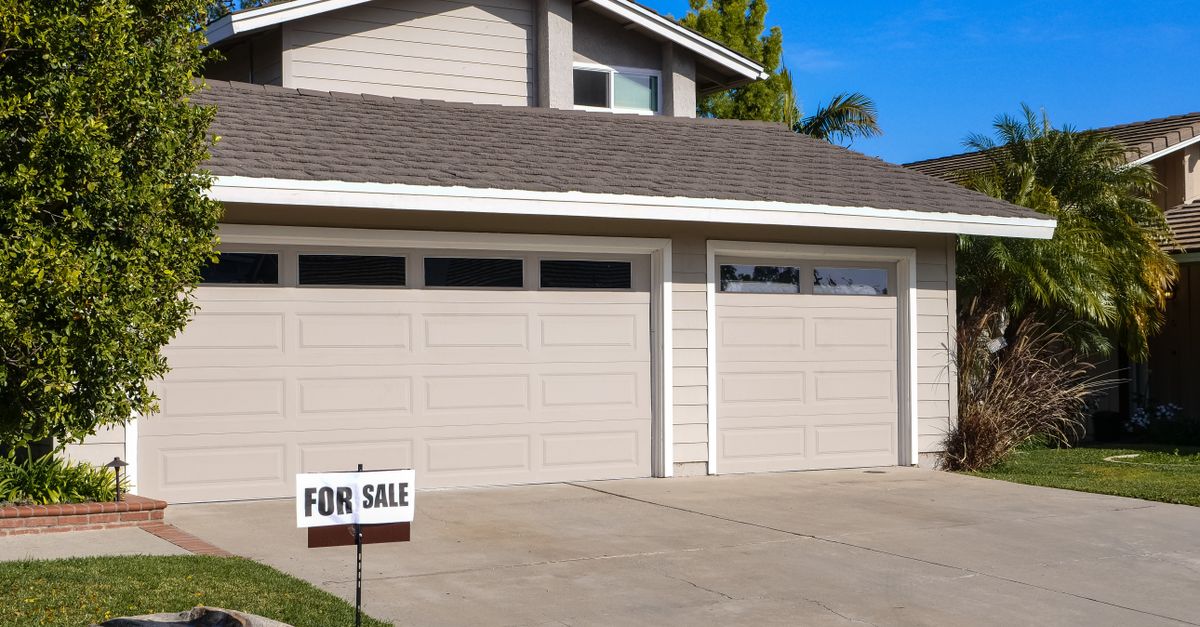
An estate sale and a garage sale do different jobs. A garage sale is a self-run, low-stakes clearout of everyday household goods, priced cheap and sold off a driveway over a weekend. An estate sale is a professionally managed liquidation of a home's full contents, run by a hired company inside the house, with trained pricing and marketing aimed at buyers who pay real market value. If you are clearing a whole household, especially one with furniture, antiques, jewelry, art, or collectibles, an estate sale usually nets more than a garage sale even after the company's commission.
The plainer way to think about it: a garage sale is something you do, and an estate sale is something you hire done. That difference in who runs the sale drives everything else, from the price stickers to the kind of shopper who walks in the door.
Around Fernandina Beach and Amelia Island, both happen constantly. A young family on the mainland side of Yulee holds a Saturday garage sale to clear outgrown toys. A few miles away, an heir facing an entire 1970s beach cottage full of a lifetime's belongings needs something bigger. The two are not competitors. They fit different situations.
What is the difference between an estate sale and a garage sale?
A garage sale is a homeowner selling a small slice of their own stuff, cheaply, from their garage or driveway. An estate sale is a company selling the contents of an entire home, priced at or near market value, staged inside the house. The garage sale clears clutter. The estate sale liquidates a household, usually because of a death, a downsizing, or a move to assisted living.
The scale gap is the first thing people notice. A garage sale might be four folding tables of housewares and kids' clothes. An estate sale opens closets, cabinets, the attic, the garage, and every room, and prices what is inside them individually. Willow Wright, owner of the Urban Redeux antique store in Alexandria, describes the classic garage sale spread this way: "Traditionally, yard sales have consisted of household and kitchen items priced at pennies on the dollar, toys and clothing the children have outgrown and home decor that has fallen out of fashion." An estate sale reaches for the opposite end, the pieces with genuine resale value that a driveway shopper would never think to look for.
Here is the head-to-head:
| Garage sale | Estate sale | |
|---|---|---|
| Who runs it | You | A hired estate sale company |
| Where | Garage, yard, driveway | Inside the home |
| What sells | Everyday used goods | The full contents, including valuables |
| How it's priced | Cheap, round numbers | Researched, at or near market value |
| Buyers | Neighborhood bargain shoppers | Dealers, collectors, decorators |
| Typical reason | Clearing clutter | A death, downsize, or move |
If you are weighing a garage sale specifically against a small, casual yard sale, the differences in scale and who runs it are worth a closer look, and a companion post on estate sale vs yard sale digs into exactly that.
Who runs each sale, and why does it matter?
You run a garage sale yourself: you sort, you price, you sit in a lawn chair and make change. An estate sale company runs the estate sale for you, from the first walkthrough to the last box hauled out. That single difference, professional versus DIY, is why an estate sale reaches higher-value buyers and prices, and it is also why the company earns a commission on what sells.
Running an estate sale is a real job with real hours behind it. The company sorts the entire house, researches and prices each item, stages the rooms so pieces show well, advertises the sale, staffs the days it runs, handles the crowd, and deals with what is left when the doors close. A homeowner running a garage sale supplies all of that labor themselves, for free, in a single weekend, with no pricing research and no buyer network.
Sophia du Brul, an ISA Accredited Personal Property Appraiser and owner of Sophia's Estate Sales and Appraisals, points to a quieter advantage of hiring it out: "Because estate companies do this every day, they are efficient at sorting and pricing, and they have no sentimental attachment to any of the items so they can sort quickly and not get bogged down with memories." When you are the one who grew up in the house, a coffee mug can stall you for twenty minutes. A professional keeps moving.
There is a standards layer here too. The American Society of Estate Liquidators, which has served the industry since 2001, publishes a code of ethics its member companies work under, covering honest pricing, client confidentiality, and taking on only work they can handle well. A garage sale has no such framework because there is no professional in the chair. When you hire an estate sale company, ask whether it follows a code like that. A good one will tell you plainly.
What sells at an estate sale vs a garage sale?
A garage sale sells everyday used household goods: kitchenware, outgrown clothes, old toys, dated decor, the stuff people part with cheaply. An estate sale sells the whole house, including the items with real value that never make it to a driveway: furniture, artwork, jewelry, antiques, china, tools, collectibles, even the contents of the garden shed. Estate items are priced at or near market value, not pennies on the dollar.
The rule of thumb: if it would embarrass you to put a dollar sticker on it, it belongs at an estate sale, not a garage sale. A mahogany dining set, a box of estate jewelry, a shelf of first-edition books, a mid-century sideboard. These need someone who can tell what they are worth, and they need buyers who know it too. Sell them off a folding table for five dollars and you have given away money.
This is also where families get tripped up by feelings. Cory Dazey, owner of White Raven Estate Sales, puts it bluntly: "Memories do not equate to value." Grandma's china may be priceless to you and worth forty dollars on the open market, while a plain lamp you never noticed turns out to be a sought-after design. A professional prices what buyers will actually pay, not what the object meant to the family. That clear eye is a large part of what the service buys you.
Who shows up to buy at each one?
A garage sale draws neighborhood bargain hunters, people driving past who stop for a deal. An estate sale draws a different crowd entirely: dealers, collectors, and decorators who track estate sale companies' email lists and watch listing platforms like EstateSales.net, and who show up early and ready to pay for the right piece. That buyer difference is the whole reason an estate sale can net more.
Think about who is willing to pay what. A driveway shopper wants a two-dollar find. A dealer restocking an antique booth, a collector chasing a specific pattern, a decorator sourcing for a client, these buyers came looking for value and they brought money. A professional estate sale company spends real effort getting in front of exactly those people, through its own mailing list and the platforms serious buyers monitor. A garage sale has whoever happens to drive by.
In a place like Amelia Island, that reach matters more than it sounds. The serious buyers for a good estate are not all local. Some drive up from Jacksonville, some come across from the mainland toward Callahan and Hilliard, some follow a company's list from farther out because the listing looked worth the trip. A company that markets well pulls them in. A cardboard sign at the end of American Beach Road does not.
When should you have an estate sale instead of a garage sale?
Have an estate sale when you are clearing a whole household, when the home holds furniture and valuables worth pricing carefully, or when you are handling an estate after a death, a downsizing, or a move to assisted living and do not have weeks to do it yourself. Hold a garage sale when you are trimming your own everyday clutter and the items are low-value enough to sell cheap.
The most common trigger for an estate sale is loss. In EstateSales.net's 2023 industry survey of 756 businesses across 38 states, 57.48% of estate sales followed the death of a loved one, and another 38.2% came from downsizing or relocation. These are not spring-cleaning events. They are life transitions, often on a deadline, often while the family is grieving or scattered across the country.
Scale is the other signal. According to EstateSales.net survey data, roughly 70% of professionally managed estate sales bring in under $20,000 in gross proceeds, with about 37% under $10,001 and about 34% between $10,001 and $20,000. A full home's contents, priced right and marketed to real buyers, adds up in a way a driveway sale rarely does. If what you are clearing could plausibly reach numbers like those, a garage sale is leaving money and weeks of your life on the table.
Choose the garage sale when the math is small and the labor is worth it to you: a closet purge, a move where you are shedding cheap extras, a stack of kids' items. Choose the estate sale when the contents, the valuables, or the sheer volume outgrow what one person can price and sell over a weekend.
Do estate sales cost more than garage sales?
A garage sale costs you your own time and a few dollars for signs. An estate sale is commission-based: the company keeps an agreed percentage of what sells, in exchange for running the entire sale. Estate sale commissions vary by company and by the size and contents of the sale, so ask any company for its rate up front, in writing, before you sign. A well-run estate sale usually nets the family more than a garage sale would, even after that commission.
The commission is not a fee for nothing. It pays for the appraisal and pricing, the multi-day setup and staging inside the home, the advertising to a real buyer network, the staffing on sale days, the handling of donations, and often the final cleanout so you walk into an empty, swept house. Those are the same tasks you would otherwise do yourself for a garage sale, minus the expert pricing and the buyer reach. For a full explanation of how estate sale companies charge and what that percentage buys, see our dedicated post on how much estate sale companies charge.
The reason the net still comes out ahead is the higher prices and the right buyers. A garage sale sells a real dresser for twenty dollars to whoever wanders up. An estate sale sells it, and the jewelry, and the art, to buyers who pay market value, then clears the rest. Even after the company takes its share, families clearing a real household typically come out with more than a weekend on the driveway would have earned them, and with weeks of their time back.
Around Nassau County, that trade often decides itself. An heir living out of state, a senior moving into care, a family with a full Amelia Island home and a closing date does not have two weeks to price a lifetime of belongings. Coastal Estate Sales handles the sorting, the pricing, the marketing to real buyers, and the cleanout, so the family gets the proceeds and the clean house without doing the work themselves. That is the situation an estate sale was built for.
A note on permits and local rules
Before you hold any sale on your property, check the local rules. Florida has no statewide yard-sale permit law, so requirements are set by each city or county and vary quite a bit. If you are in Nassau County, which includes Amelia Island, confirm current requirements directly with the county rather than assuming, since the county's online permit listings show a temporary outdoor sales application but no specific garage-sale or estate-sale permit. A quick call saves a headache. One more thing a professional estate sale company already knows how to handle for you.
Frequently asked questions
Is an estate sale the same as a garage sale?
No. A garage sale is a homeowner selling a small amount of everyday used goods cheaply from their driveway. An estate sale is a hired company selling the entire contents of a home, including furniture and valuables, priced at or near market value inside the house.
Does an estate sale make more money than a garage sale?
For a full household with furniture, antiques, jewelry, or art, an estate sale usually nets more, even after the company's commission, because items are priced at market value and marketed to dealers and collectors who pay real prices. A garage sale sells cheap to whoever drives by.
Why do estate sales charge a commission when garage sales are free?
You run a garage sale yourself for free. An estate sale company charges a commission because it does the full job: appraising, pricing, staging, advertising to serious buyers, staffing the sale, handling donations, and often the final cleanout. Rates vary by company, so ask for the rate up front before you sign.
Do I need a permit for a garage sale or estate sale in Nassau County, Florida?
Florida has no statewide yard-sale permit law, so rules are set locally and vary. Nassau County, which includes Amelia Island, lists a temporary outdoor sales application but no specific garage-sale permit online, so confirm current requirements directly with the county before holding any sale.
Sources reviewed
- EstateSales.net 2024 Industry Survey
- EstateSales.net 2023 Industry Survey
- EstateSales.org — How Much Do Estate Sale Companies Charge?
- The Penny Hoarder — Estate Sales vs. Garage Sales (updated May 19, 2025)
- American Society of Estate Liquidators (ASEL) — For Consumers
- Oregon Pacific Bank — Estate Sale Professional Interview (Cory Dazey, White Raven Estate Sales)
- Florida Yard Sale Permit — City & County Rules (yardsales-finder.com)
- Nassau County, FL — Official Website (Applications & Permits)
- SmartAsset — How Much Does the Average Estate Sale Make?