There is no single national answer, so it breaks into three separate questions for a sale here on Amelia Island. As the homeowner, you almost never need a personal permit to hold an estate sale inside your own house. But two things do trigger real rules: temporary signs pointing buyers to the sale, and Florida sales tax, which a professional company running the sale is legally required to collect. Florida has no statewide estate-sale permit law at all. Each city and county writes its own rules, and Nassau County's are manageable once you know which one applies to you.
That is the part that trips people up. Folks picture "a permit" as one form. It is really three different compliance layers, and only some of them land on you. Here is how they sort out.
Do you need a local permit to hold an estate sale in Nassau County?
For a sale run inside your home, almost never. Florida leaves residential and temporary sales entirely to local government, and the unincorporated Nassau County code has no publicly confirmed blanket permit requirement aimed at estate sales the way some Florida cities cap garage sales at two or three a year. The county does keep a Temporary Outdoor Sales Application through its Development Services Department, which matters mainly if your selling spills out into the yard or driveway as an outdoor event.
Where you are also decides which rulebook you read. A house off Sadler Road in unincorporated Nassau County answers to the county. A house inside the City of Fernandina Beach answers to the city, which keeps its own ordinances. Yulee, Callahan, and Hilliard fall under the county. The safe move before you schedule anything is a two-minute call to the relevant office to confirm your specific address, because the line between "inside city limits" and "unincorporated" is not always where a newcomer to Amelia Island would guess.
Do you need a permit for estate sale signs?
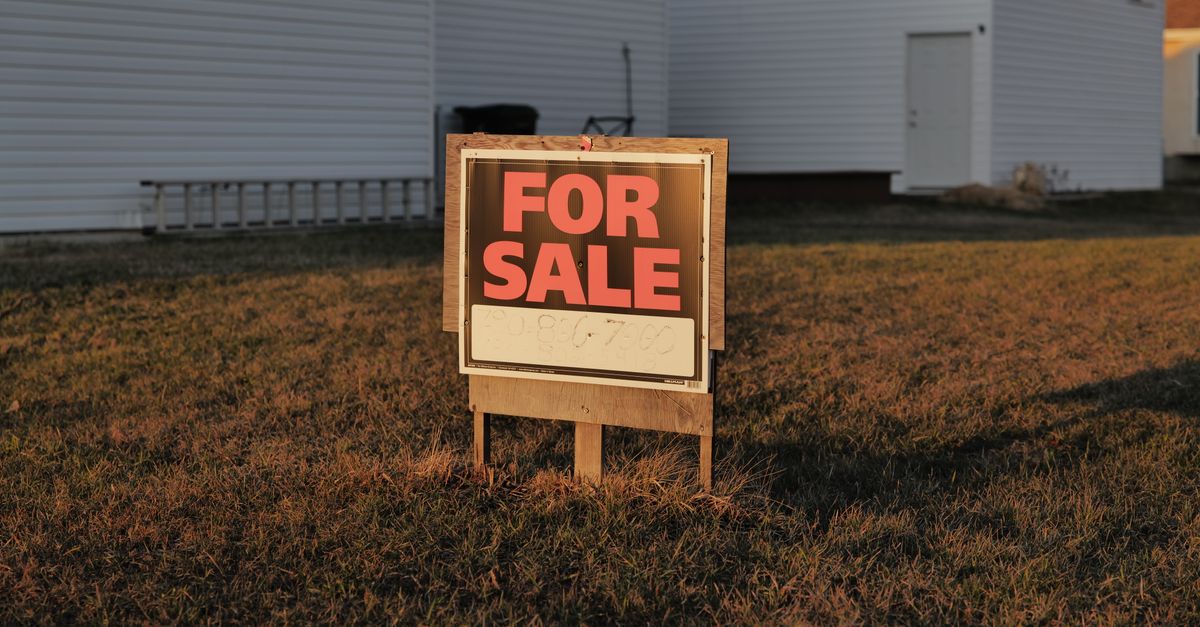
Often, yes, and this is the layer most people miss. Those directional arrows stuck at the corner of Buccaneer Trail and the highway are temporary signage, and temporary signs in unincorporated Nassau County are governed by Article 30 of the Land Development Code (Ordinance 97-19). The county also offers a Special Event Sign Permit Application for temporary directional signage tied to an event.
Two more things about signs. Right-of-way placement, meaning signs planted on public land or utility strips, gets pulled by code enforcement fast, and you may not get them back. And if your home sits in a deed-restricted community, an Amelia Island HOA can restrict or prohibit sale signage on private property regardless of what the county allows. HOA covenants (the CC&Rs) vary a lot around here, so read yours before the sale, not after a neighbor complains.
Do you need a sales tax permit for an estate sale?
This is the one clear legal requirement, and it turns on who is running the sale. A homeowner selling their own household goods usually does not need to register, thanks to Florida's occasional-sale exemption. But that exemption has a hard limit, and it disappears entirely the moment a professional runs the sale for you.
Here is the split, drawn straight from the Florida Administrative Code:
| Who runs the sale | Sales tax duty | Rule |
|---|---|---|
| Homeowner, first or second sale in 12 months | Exempt (occasional sale) | 12A-1.037 |
| Homeowner, third sale in 12 months | Must register as a dealer | 12A-1.037 |
| An agent, broker, or auctioneer selling on your behalf | Must register and collect tax, no exemption | 12A-1.066 |
Under Rule 12A-1.037, your own garage or estate sale of household goods is exempt only if it is your first or second such sale in the preceding twelve months. A third sale makes you "engaged in business," and you would need to register as a dealer with the Florida Department of Revenue. Rule 12A-1.066 goes further: any agent, auctioneer, or broker conducting a sale on someone else's behalf must register and collect tax on the full retail price, with no deduction for commission or expenses. The occasional-sale exemption does not reach a sale run by a professional.
In plain terms: when you hire a company to conduct your sale, the tax obligation is theirs to handle, and a reputable local company registers as a dealer and collects and remits Florida sales tax for you. It is one of the quiet, concrete jobs a good estate sale company does that a DIY seller has to shoulder alone. If you run a professional-scale sale yourself and get the registration wrong, the liability is yours. Coastal Estate Sales carries that registration and does the collecting and remitting as part of the service, so the family never touches a tax form.
What about firearms and other regulated items?
Some things carry their own permit rules no matter what the general estate-sale answer is. Firearms are the common one. Selling a deceased relative's guns can pull in separate federal and state requirements, and an estate on Amelia Island or out toward Hilliard may well include a hunting rifle or two. Ammunition, certain collectibles, and a few other categories have their own handling rules. A careful company flags these before the sale and routes them the right way rather than laying them out on a folding table with the dishes.
Why the industry itself has no license
It surprises people that the estate sale business has no government license at all in Florida. No state board, no exam, no oversight, unlike real estate agents or appraisers. Professional groups such as the American Society of Estate Liquidators (ASEL) and the National Association of Estate Liquidators (NAOEL) publish voluntary ethics codes, but they are the first to admit those standards are not the law.
"I don't know why it's not regulated," said Julie Hall, President of ASEL. "I think it's getting to a point where the industry is getting more recognition in the press." Donna Davis, Director of NAOEL, put the gap more bluntly, noting that with an unlicensed liquidator, "there's nobody to oversee what we're doing."
That absence of licensing is exactly why the permits above matter, and why who you hire matters. Nobody is checking a liquidator's credentials at the door, so the burden of doing the sale legally, from sign placement to sales tax, falls on the company's own diligence. A family carrying a death, a downsizing, or a move to assisted living is not in a position to audit a stranger's tax registration mid-grief. A trustworthy local operator handles the permits, the signs, and the tax quietly, so the sale is clean and the family is spared the guesswork. That is the value, not a form avoided.
Frequently asked questions
Does the homeowner need a permit to have an estate sale in Fernandina Beach?
Usually not for a sale held inside your own home. Florida has no statewide estate-sale permit, and the real requirements come from local sign rules and Florida sales tax. Confirm your specific address with the City of Fernandina Beach or unincorporated Nassau County, since the two follow different ordinances.
Do I need a permit for estate sale signs in Nassau County?
Often yes. Temporary directional signs are governed by Article 30 of the Nassau County Land Development Code, and the county offers a Special Event Sign Permit Application. Signs placed in public right-of-way can be removed, and your HOA may restrict signage on private property.
Does a professional estate sale company have to collect Florida sales tax?
Yes. Under Florida Administrative Code Rule 12A-1.066, any agent, auctioneer, or broker selling on someone else's behalf must register as a dealer and collect tax on the full retail price. The homeowner's occasional-sale exemption does not apply when a professional runs the sale.
How many estate or garage sales can I hold before I owe sales tax?
Under Rule 12A-1.037, a homeowner's sale of household goods is exempt for the first or second sale in any 12-month period. A third sale makes you 'engaged in business,' which requires registering as a dealer with the Florida Department of Revenue.
Sources reviewed
- Nassau County Development Services Applications (Temporary Outdoor Sales Application and Special Event Sign Permit Application)
- Florida Administrative Code Rule 12A-1.037 — Occasional or Isolated Sales (Cornell LII)
- Florida Administrative Code Rule 12A-1.066 — Agents, Auctioneers, Brokers (Florida Sales Tax Attorney summary)
- Florida Dept. of Revenue — Account Management and Registration
- ASEL Industry Standards — American Society of Estate Liquidators
- EstateSales.org — Should the Estate Sale Industry Be Regulated?
- Nassau County Sign Regulations — Article 30, Land Development Code (Municode)
- FL Sales Tax: Occasional Isolated Sales Exemptions — Florida Sales Tax Attorney
- EstateSales.org — Guide to Estate Sale Organizations